

Table of Contents
The Boiler Upgrade Scheme is a UK government-funded program designed to help homeowners move away from old oil or gas boilers and switch to cleaner, energy-efficient heating systems. With energy prices rising by over 50% in the past few years and household heating bills now averaging more than £1,200 per year, many families are looking for affordable long-term solutions.
At the same time, climate change has become a serious concern, which is why the government is encouraging households to adopt low-carbon heating options. Through this scheme, homeowners in England and Wales can receive grants of up to £7,500, making modern heating systems more accessible and affordable.
Why the Boiler Upgrade Scheme Was Introduced
The UK has set a goal of reaching zero carbon emissions by 2050. One of the major obstacles in achieving this goal is the heating system used by households. Millions of homes depend on gas boilers, which emit harmful gases every day.
According to reports on energy in recent times:
| Heating Source | Average UK Homes Using It | Carbon Emissions Impact |
|---|---|---|
| Gas Boilers | More than 23 million homes | High |
| Oil Boilers | 1.5 million homes. 1.5 million homes | Very High |
| Heat Pumps | More than 500,000 homes | Very Low |
The government has realized that the possibility of replacing old boilers with more eco-friendly systems could make an enormous change. But replacing a heating system is costly. This is where the Boiler Upgrade Scheme comes in.
It covers a significant portion of the cost of installation to allow families to upgrade their homes without financial strain.
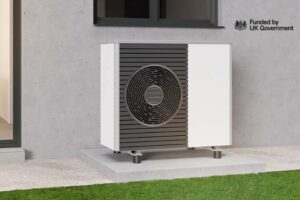
Air Source Heat Pump Grants
What Exactly Is the Boiler Upgrade Scheme?
The Boiler Upgrade Scheme is a government-funded grant that grants homeowners money to install low-carbon heating systems. Instead of paying for the entire cost, you will receive a set amount in the form of a grant, which will lower the final cost.
The scheme mostly supports:
- Air source heat pumps
- Heat pumps from the ground
- Biomass boilers (for homes in rural areas only)
Gas boilers aren’t covered since the purpose is to eliminate fossil fuels.
The scheme was introduced in 2022 and was extended due to the demand. Thousands of households have benefited from the program.
How Much Grant Can You Get?
The government is currently offering extensive financial aid through the plan.
| Heating System | Grant Amount |
| Air Source Heat Pump | £ 7,500 |
| Ground Source Heat Pump | £ 7,500 |
| Biomass Boiler | £ 5,000 |
In the majority of instances, the grant will cover the majority of the total cost of installation. Certain homeowners pay the least amount or not at all, based on the condition of their home and its energy efficiency.
How the Boiler Upgrade Scheme Works?
The procedure is easy and was designed to alleviate stress for homeowners.
The first step is to determine whether your house is qualified. The majority of houses in England and Wales that have an existing boiler are eligible, particularly when the home has an active Energy Performance Certificate (EPC).
The next step is to select an authorized installer. Only installers who have been certified by the government are eligible to apply for the grant on your behalf.
The installer then evaluates your house. They will assess insulation, heating requirements, and choose the best solution for your home.
Once the grant is approved, the installer then applies directly for the grant. The grant is credited to your account, meaning you don’t need to wait to receive the reimbursement.
Then you have your new heater installed, and you start cutting down on energy bills as well as reducing your carbon footprint.
Who Is Eligible for the Boiler Upgrade Scheme?
The majority of homeowners are eligible for the program by meeting the following basic criteria.
- The property must be owned by the owner, or you must be an owner.
- The property must be located in England or Wales.
- You will need to replace an energy-efficient heating system using fossil fuels like oil, gas, or electricity.
- Your home must have an adequate level of insulation.
- New construction homes aren’t usually eligible unless they’re self-built houses.
The good thing is that the program isn’t based on income. Households with lower incomes and higher incomes are eligible.
Why Heat Pumps Are the Main Focus?
The most well-known option in the scheme is due to its being extremely efficient in terms of energy use.
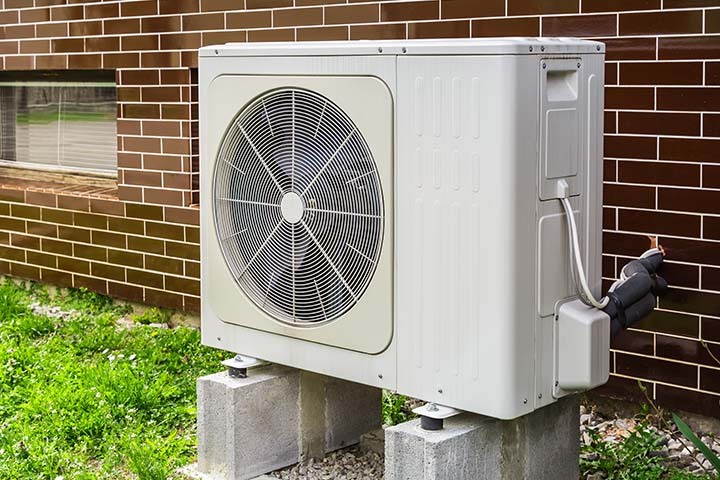
Instead of using fuel to heat your home, they extract heat from the ground or air and then use electricity to heat your home.
Research has shown that heat pumps are 300 up and up to 400% energy efficient. This means they generate three to four times more energy than the power they consume.
This leads to:
- Lower heating bills over time
- Fewer carbon dioxide emissions
- More stable indoor temperatures
As gas prices rise each year, many households are switching to heat pumps in order to enjoy long-term savings.
Cost Savings Over Time
Although installation may seem costly, the benefits over the long term are substantial.
Based on UK energy research, homes that use heat pumps are able to save anywhere from PS300 to PS600 annually on heating costs, based on their energy consumption and insulation.
Here’s an easy comparison:
| Heating System | Average Annual Cost | Carbon Impact |
|---|---|---|
| Old Gas Boiler | £1,200 – £1,500 | High |
| Heat Pump System | £700 – £1,000 | Very Low |
Over the course of 10 years, this could mean thousands of pounds saved.
Environmental Benefits
Making the switch to the Boiler Upgrade Scheme isn’t only about making savings. It’s also about preserving environmental health.
Every home that replaces a gas boiler with a heat pump could cut carbon emissions by as much as 60 percent.
In the event that one million households switched to heating that is low-carbon, this could eliminate many tons of CO2 from our atmosphere every year.
It’s equivalent to removing several hundred thousand vehicles from the roads.
Grant Boilers - A Trusted Partner for Free Heating Upgrades
Many homeowners fret about choosing the best installer and how to manage the paperwork. This is the reason Grant Boilers plays an important role.
Grant Boilers is a trusted partner who provides free heating upgrade services through the Boiler Upgrade Scheme. They manage the entire process, starting with eligibility checks, through installation and grant applications. Their team of experts ensures homeowners have modern, efficient heating systems with no stress or hidden charges.
With decades of experience in renewable heating as well as grant funding from the government, Grant Boilers assists families to improve their homes quickly and easily, without risk, and at a reasonable cost.
Final Thoughts
The Boiler Upgrade Scheme is among the most effective programs of the government for UK homeowners. It is easier and less expensive to replace old boilers with efficient, clean heating systems.
With grants up to PS7500, lower electric bills, lower carbon emissions, and a higher property value, there’s never been a better time to make improvements.
If you’re motivated by making money, preserving the environment, or increasing your home’s comfort, the Boiler Upgrade Scheme offers real long-term, sustainable benefits.
The partnership with reputable companies like Grant Boilers makes the process effortless, allowing homeowners to get free or heavily subsidised heating improvements.
Frequently Asked Questions
Yes, the scheme is in operation and is funded with the help of the UK government. However, the future funding levels could be different, so applying earlier is suggested.
Most of the time, the grant amount is deducted directly from the cost of installation. Certain homeowners pay less or absolutely nothing, based on their particular installation and the condition of their home.
Yes, landlords are eligible to apply for rental properties, provided that the eligibility requirements are satisfied.
Yes, modern heat pumps can be found in a majority of homes, even older ones, particularly when insulation of the basic type is installed.
Most installations last between two and five days, depending on the kind and size of the house.