

Table of Contents
The new high-retention electric storage heaters are usually 100% energy efficient, but they may still exhaust energy in several ways if not used efficiently. You might be surprised, but it is what it is.
But don’t worry, it’s not that difficult to use these heating systems in a way that they don’t drain electricity, and your bill remains within your budget. You can optimise the usage in multiple ways, like using the Economy 7 tariffs and setting the system right. So, let’s explore the options we have.
What Is a Storage Heater and How to Use It Efficiently?
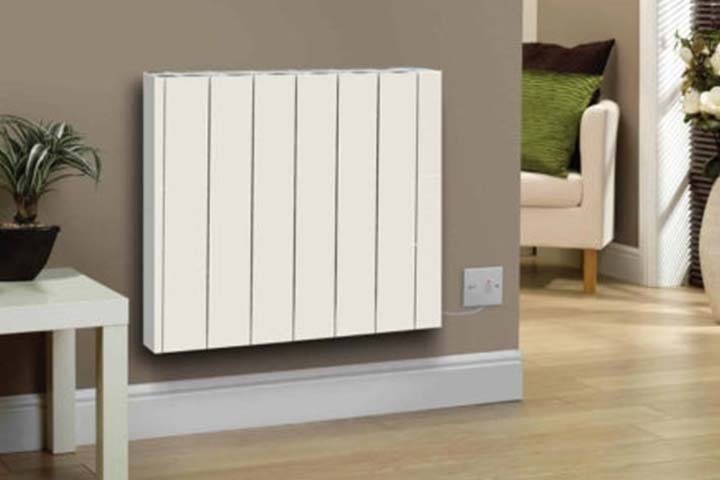
It charges at night when electricity is cheap. Stores that energy as heat in heavy ceramic blocks. Then releases the heat during the day when you need it.
Night storage heaters use electricity during off-peak hours. That’s usually between midnight and 7 am. During these hours, electricity can cost 50-70% less than peak rates. The heater stores this cheap energy as thermal energy. Then slowly releases the heat when electricity is expensive.
The difference between old and new models:
| Feature | Older Storage Heaters | Modern Electric Storage Heaters |
|---|---|---|
| Controls | Manual dials only | Digital programmer + thermostat |
| Efficiency | Basic, heat is often wasted | High heat retention, automatic charging |
| Cost | Can cost more to run | Save energy and money with smart controls |
| User input | You guess the settings | The heater decides based on the room temperature |
Modern electric storage heaters work smarter. They judge how much heat to store based on your settings and recent use. Automatic storage heaters take the guesswork out. But you still need to set them up properly.
Air Source Heat Pump Grants
Does Your Property Have an Economy 7 Tariff?
Here’s where most people lose. You can’t use storage heaters efficiently without an Economy 7 tariff. Or Economy 10. Or another time, use the electricity tariff.
Why? Because on a standard single-rate tariff, you’re paying the same price for night-time charging as you would for daytime heating. Where’s the advantage? There isn’t one.
What You Need to Know About Economy 7
Your electricity is split into two rates. Off-peak runs for about 7 hours overnight. It’s cheaper. Peak rate runs the rest of the day. It’s more expensive.
The storage heaters charge during off-peak. They release heat during peak hours without using much more electricity. That’s the whole point.
Quick Math on Running Costs
Let’s say average off-peak electricity costs 20p per kWh. A 2kW storage heater charging for 7 hours uses 14 kilowatt-hours per night. That’s £2.80. If your off-peak rate is cheaper (some are around 8-10p per kWh), it might be less than 80p per day.
Now compare that to running a plug-in heater on peak rates all day. That same 2kW heater running 8 hours on peak electricity at 35p per kWh? That’s £5.60 per day. Double the cost.
Storage Heater Controls: Input and Output Explained
This is where people mess up. Every storage heater has two main controls. Input and output. Get these wrong and electric heating can be expensive.
What Does Input Control Do?
Input controls how much heat the heater stores overnight.
Turn it up? The heater stores more heat. Uses more electricity. Better for cold weather when you need heat all day.
Turn it down? Less heat stored. Less electricity is used. Better for mild weather when you don’t need much heating.
What Does Output Control Do?
Higher output means faster release. Your room heats quickly. But you might run out by evening.
Lower output means slower release. Heat lasts longer through the day. More warmth is left when you get home from work.
Here’s the trick: keep output low overnight. The storage heater’s job during the night is to store thermal energy, not heat the room while you’re asleep under blankets. Raise the output dial in the morning when you need warmth.
The Deadly Mistake:
Leaving the output high all day. You blow through your stored heat by noon. Then what? You reach for a plug-in electric heater. That runs on peak rates. Your energy bills explode.
Modern storage heaters make this easier. They have digital controls. You set the desired room temperature, and the times you want heat. The heater does the rest. But the principle is the same: charge at night, release during the day.
How to Use Storage Heaters: The Step-by-Step Method
Want to save energy and money? Follow this exact process.
Step 1: Verify your tariff
Call your energy supplier. Confirm you’re on an economy 7 tariff. Ask for your exact off-peak hours. Write them down. Everything else fails if you skip this.
Step 2: Set input based on the weather
Cold weather? Set the input higher so the heater stores enough heat for the whole day.
Mild weather? Adjust the input down. Don’t waste electricity storing heat you won’t use.
Check the forecast nightly. Set your input accordingly before the off-peak hours start.
Step 3: Keep output low at night
When you go to bed, turn output to minimum. You don’t need heating while sleeping. You need heat stored for tomorrow.
Step 4: Use output strategically during the day
- Morning: Turn the output up to warm the room while you get ready.
- Leaving for work? Turn the output down so the heat lasts until you return.
- Evening: turn it back up for comfort.
- Night: back to minimum before off-peak charging starts.
Step 5: Avoid peak-time electric heaters
If you set things right, you won’t need extra heating. Every time you plug in another type of electric heater during peak hours, you’re burning money.
Step 6: Program modern electric storage heaters properly
Got automatic storage heaters? Use the programmer. Set your schedule so they heat your home when you’re actually there. Let the built-in controls manage when the storage heaters charge and release the heat.
This isn’t complicated. It’s just deliberate. Use storage heaters right, and they’re brilliant. Use them wrong, and they cost more to run than gas heating.
Why Do People Say Storage Heaters Are Expensive?
The most common mistakes:
- Output was left high all day. All the heat is gone by lunch. Then they use peak-rate heaters to stay warm. Bills double.
- Input is too high in mild weather. Storing heat you don’t need wastes electricity. The heater doesn’t know it’s 15°C outside. You have to tell it by adjusting the input.
- Poor insulation. Heat escapes through walls and drafts. Even the best storage heater can’t heat the outdoors. Organisations like Energy Saving Trust and Home Energy Scotland offer free advice on insulation.
- Wrong tariff. On a single-rate electricity tariff, storage heaters lose their advantage. You’re paying the same rate to charge them as you would to heat directly.
Fix these four things. Suddenly, electric storage heater efficiency makes sense.
Working Out Your Storage Heater Running Costs
Math time. Here’s how to calculate what your storage heater uses.
Formula:
Heater rating (kW) × charging hours × electricity cost per kWh = daily cost
Example with a 2kW storage heater:
- Heater rating: 2kW
- Charges for: 7 off-peak hours
- Off-peak rate: 20p per kWh
Calculation: 2 × 7 × £0.20 = £2.80 per day
That’s about £84 per month for one heater. A small electric storage heater may use less power. A medium-sized storage heater might be similar. The amount of power it’ll use depends on the rating.
Reality Check:
Automatic storage heaters charge less on warmer days. They’re smart. Older storage heaters charge the same amount regardless. That’s why modern electric storage heaters work better for energy saving.
Check your energy bills. Compare your off-peak and peak rates. Do the math for your specific heater rating. Then you’ll know exactly what you’re paying to heat your home.
Should You Replace Your Old Storage Heaters?
Brutal honesty? If your storage heaters are more than 15 years old, probably yes.
Modern storage heaters have thermostats. Digital programmers. Automatic charging. They store thermal energy more efficiently. They waste less heat during the night. They save energy and money compared to older models.
But here’s what matters more: your electricity tariff. New heaters on the wrong tariff are still expensive. Old heaters on the right tariff, used correctly, still save money.
Priority order:
- Get on an Economy 7 or similar Economy 7 tariff
- Learn to use storage heaters properly
- Then consider upgrading to modern electric storage heaters
Don’t replace working heaters just because someone told you to. Replace them when the numbers prove it makes sense. Run the calculations. Compare storage heater running costs with and without an upgrade. Make decisions with data, not emotions.
The Bottom Line
Storage heaters work. You just have to work them properly. Get on the right tariff. Set input for the weather. Control output through the day. Avoid peak-rate electric heating. That’s it. That’s the entire system.
Do this, and electric storage heater heating becomes one of the cheapest ways to heat your home. Ignore it, and you’ll keep complaining that storage heaters are expensive to run.
Frequently Asked Questions
Yes. Completely off. Why would you store heat when you don’t need it? Turn off the input control. Better yet, switch off the circuit breaker to the storage heaters during warm months. They’ll still cost you nothing, and you avoid accidental charging.
On a single-rate electricity tariff, storage heaters lose their entire advantage. You’re paying peak rates to charge them. At that point, other types of electric heating might actually be cheaper.
Check with your energy supplier. Switching to an Economy 7 tariff takes one phone call. Without it, storage heating makes no financial sense.
First: you set the input too low. The heater didn’t store enough heat for the whole day. Solution? Set the input dial higher tonight.
Second: you set the output too high too early. You burned through your stored heat by afternoon. Solution? Keep output low until you actually need warmth. Control how fast the heat is released.
Modern storage heaters cost £200-500 per unit installed. They use 20-30% less electricity than older storage heaters. They have better controls. They store thermal energy more efficiently.
If your current heaters are 20+ years old and you’re on Economy 7, upgrading probably pays for itself in 3-5 years through energy savings.
Here’s the quick guide:
- Small bedroom (10-12m²): 1.5kW storage heater
- Large bedroom (15-18m²): 2kW storage heater
- Living room (20-25m²): 2.5-3kW storage heater
- Kitchen/bathroom: Usually don’t need storage heaters
But this assumes decent insulation. Poor insulation? You’ll need more power. The amount of power it’ll use depends on your specific room.
Right now, gas heating costs roughly 6-7p per kWh. Off-peak electricity on Economy 7 runs 8-20p per kWh, depending on your supplier. So gas is usually cheaper per unit of heat.
But if you don’t have gas, or installation costs thousands, electric storage heaters are your best option. They’re certainly better than peak-rate electric heating, which costs 30-35p per kWh.